


Dry eye is one of the most common side effects after LASIK, and it can catch you off guard if you’re expecting nothing but clear, comfortable vision right out of the gate.
A little grittiness, fatigue, or fluctuating vision in the days and weeks afterward is a normal part of healing. For most people, dry eye improves within 6 to 12 months after surgery.
Knowing why it happens and what you can do about it makes the whole recovery feel a lot less uncertain.
Why Dry Eye Happens After LASIK
During LASIK, your surgeon creates a small flap in the cornea to reshape the tissue underneath.
That process affects the tiny nerves in and around your cornea, the same nerves that tell your eyes to produce tears. When those nerves are disrupted, tear production can slow down for a while.
The reshaping also changes how tears spread across your eye when you blink. The result is a surface that doesn’t stay as hydrated as it did before surgery.
Your eyes aren’t broken. They just need time for those nerves to heal and reconnect.
What Dry Eye After LASIK Feels Like
Dry eye does not always feel the way you’d expect. Some people notice obvious dryness, while others get symptoms that feel more like irritation or blurry vision. Watch for:
- Redness, itchiness, or a gritty sensation, like sand in your eye
- Blurred or fluctuating vision that changes throughout the day
- Eye fatigue or general irritation, and some photophobia, especially in front of screens
That last one tends to surprise people. If your vision seems sharp one hour and hazy the next, dry eye is often the reason; a poor tear film scatters light instead of letting it pass cleanly to your eye. Be mindful of your daily habits and cut back on screen time where you can, since it tends to make symptoms worse.
How Long Does Dry Eye Typically Last?
Dry eye symptoms after LASIK tend to peak in the first few weeks, then ease gradually. Here’s what recovery often looks like:
- Symptoms start to ease within the first few weeks to months
- Around 60% of people still notice symptoms at the one-month mark
- Most people recover fully somewhere between 6 and 12 months after surgery
Everyone heals at their own pace. Your timeline depends on how quickly your nerves regenerate, how well your tear glands respond, and how consistently you manage symptoms along the way.
Are Dry Eyes Permanent After LASIK?
For the vast majority of people, the answer is no. Long-term dry eye beyond one year is uncommon.
A small number of people may deal with symptoms that linger longer, but that’s not the typical experience. If you’re still noticing real dryness past the one-year mark, talk to your optometrist about what else might be contributing.
Factors That Can Increase Your Risk
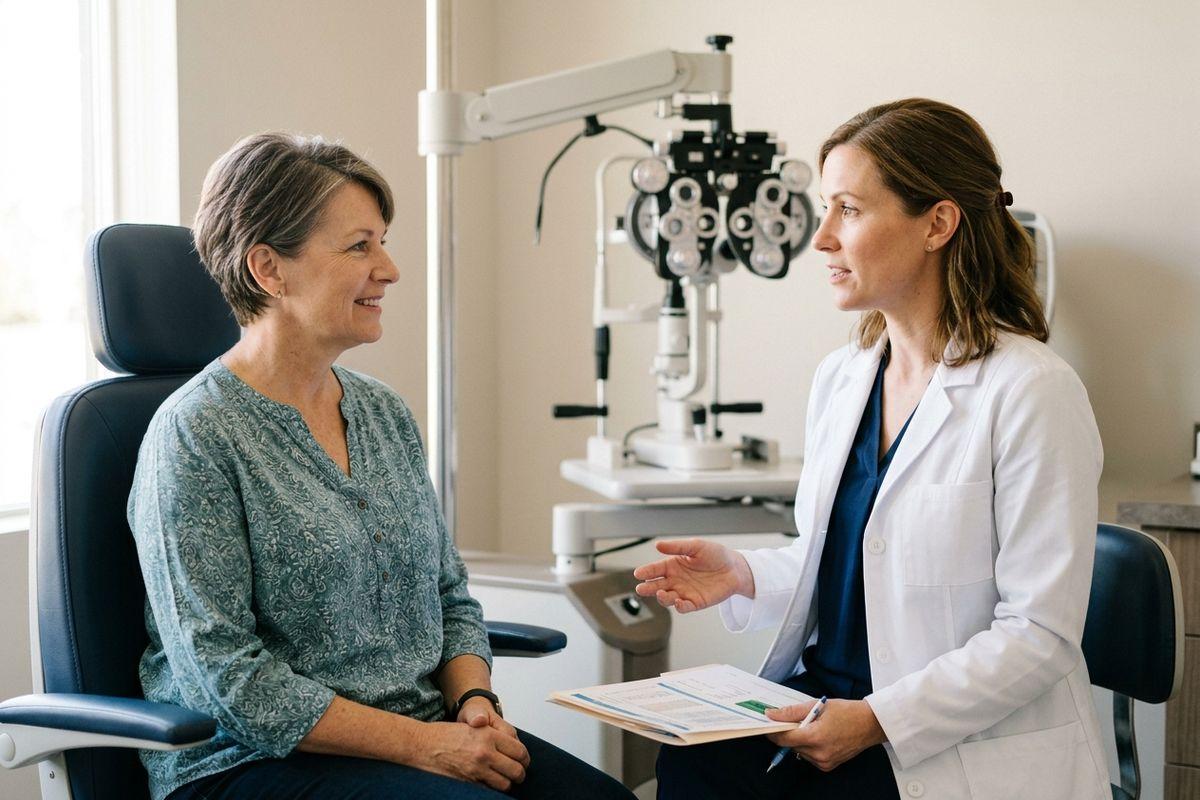
Some people are more likely to deal with dry eye after LASIK, and for longer. Know your risk factors going in:
- Having dry eye before your surgery
- Being post-menopausal or over 45, since hormone changes can affect tear production
- Needing a higher degree of vision correction, which requires more corneal reshaping
None of these factors mean LASIK isn’t right for you. They just mean your recovery plan may need a little more attention and follow-up care.
Simple At-Home Relief
A few consistent daily habits can make a real difference in how your eyes feel during recovery. Try these:
- Use preservative-free lubricating eye drops throughout the day, especially around screens
- Utilize eyelid massage and hygiene daily, blink regularly and completely during focused daily tasks such as screens, reading and driving
- Stay hydrated and add omega-3s to your diet to support tear quality
Build in the 20-20-20 rule, too: every 20 minutes, look at something 20 feet away for 20 seconds. It gives your eyes a quick reset and can ease strain during the workday.
In-Office Treatments That Can Help
When at-home care isn’t quite enough, ask your Ophthalmologist or eye care provider about these options:
- Anti-inflammatory drops to improve tear quality and reduce surface irritation
- Punctal plugs, small inserts placed in the tear ducts to slow drainage and keep moisture on the eye longer
- Applied Thermal Lid Treatments, such as IPL, RF, or LipiFlow, which use gentle heat and pressure to help clear blocked oil glands that affect tear quality
The right combination depends on what’s driving your dry eye and how your eyes respond as you heal. From simple topical options to more targeted in-office therapies, there’s a path forward regardless of where you are in recovery.
Give Your Eyes Time, and the Right Support
Dry eye after LASIK is a real part of recovery, but it doesn’t have to slow you down. With the right care, most people move through it and come out the other side with clear, comfortable vision.
Book a dry eye assessment with Vector Eye Centre. While we don’t currently offer LASIK, our team can help you manage dry eye after your procedure, assess your symptoms, walk you through your treatment options, and help you stay on track at every stage of healing.