

Key Takeaways
- Blepharitis is recurring eyelid inflammation, not a single infection.
- A stye (internal hordeolum) is an uncomfortable lump caused by a blockage of a meibomian gland in the eyelid.
- Blepharitis typically has no lumps; a stye does.
- Warm compresses and gentle eyelid cleaning can help with both.
- If symptoms persist or worsen, an ophthalmologist can help.
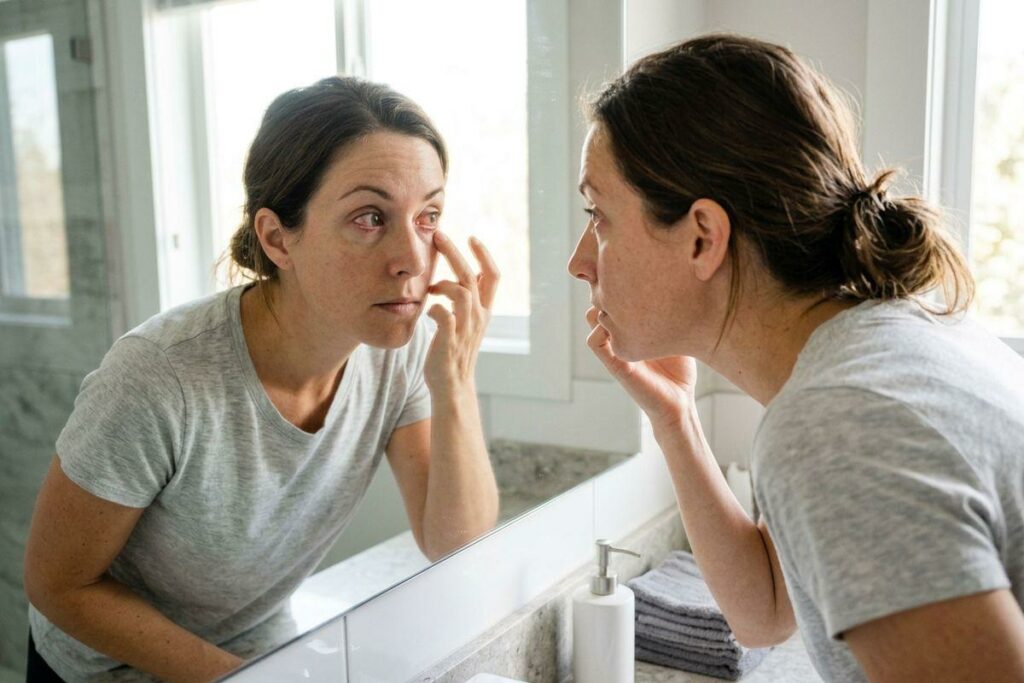
Your eyelids feel irritated, red, or uncomfortable, and you’re not sure what’s going on. It’s easy to assume any eyelid problem is a stye, but there’s more than one thing that can cause that kind of discomfort.
Blepharitis and styes are two different conditions, but can overlap. Blepharitis is chronic eyelid inflammation that tends to come back, while a stye is blockage of an oil gland that can be caused by inflammation and/or infection that typically forms a visible, painful lump. Knowing which one you’re dealing with can help you manage it more effectively at home and know when to reach out for professional support.
What Is Blepharitis?
Blepharitis is inflammation of the eyelids, specifically along the base of your eyelashes. Unlike a stye, it’s not a one-time infection. It tends to come back, sometimes frequently, and it can feel like a lingering annoyance rather than a sudden problem.
It’s associated with bacteria, blocked oil glands, or underlying skin conditions. You might notice it flaring up during times of stress or when your eyelid hygiene routine slips. It doesn’t always look dramatic, but it can be genuinely uncomfortable to live with day to day. If you’re curious about what drives those blocked oil glands, meibomian gland dysfunction is often part of the picture.
What Is a Stye?
A stye is a blockage of an oil gland inside of your eyelid. It shows up as a tender, red lump that can make the whole area feel sore and swollen. It’s hard to miss.
Most styes clear up on their own. Blepharitis can sometimes contribute to a stye, so if you have recurring eyelid inflammation and/or infection, it’s worth paying attention to changes in how your eyelids feel.
How to Tell Them Apart
The clearest difference is the lump. If there’s no lump, you’re likely dealing with blepharitis. If there’s a tender bump, it’s more likely a stye. Here’s a closer look at each:
Blepharitis Signs
These are the most common signs of blepharitis to watch for:
- Crusty flakes or debris at the base of your eyelashes, especially in the morning.
- Red, swollen, itchy, or burning eyelids.
- No lump present.
Stye Signs
Styes tend to have a distinct set of signs that set them apart:
- A tender, visible lump on or inside the eyelid.
- Watery or red eyes alongside the lump.
- Pain when touching the affected area.
What Gets Mistaken for Blepharitis or a Stye
Two other conditions can look similar and are worth knowing about:
- A chalazion is a firm lump associated with a blocked oil gland. It looks like a stye but doesn’t hurt and usually needs surgical removal.
- Pink eye causes redness that spreads to the whites of your eyes, which is different from the localised redness of blepharitis or a stye.

Home Care and When to See an Eye Doctor
For both blepharitis and styes, simple at-home steps can go a long way toward easing discomfort.
At-Home Relief
These steps can help manage symptoms for both conditions:
- Apply a warm compress to your closed eyelid for about 15 minutes, at least four times a day.
- Gently clean your eyelids to loosen any crusts or debris along the lash line.
- Never pop or squeeze a stye, as this can make things worse.
When an Eye Doctor’s Input Helps
Reach out to an ophthalmologist if you notice any of the following:
- Your stye doesn’t seem to be improving or is getting more uncomfortable.
- Your vision feels affected, or the discomfort is significant.
- Blepharitis keeps returning despite keeping up with home care.
Simple Habits for Healthier Eyelids
A few consistent habits can make a real difference in how often these issues come up. None of them are complicated, but they do require a bit of daily attention.
Remove all eye makeup thoroughly every night before bed. Keep your hands away from your eyes throughout the day, especially if you haven’t washed them recently. Regular eye appointments with an ophthalmologist can also catch early changes before they turn into bigger problems. Small steps, done consistently, add up.
Talk to Our Team at Vector Eye Centre
If your eyelid symptoms are persisting, worsening, or affecting your day-to-day comfort, Vector Eye Centre‘s team of eye care professionals in Calgary can help you figure out what’s going on and what to do next. Whether you’re managing dry eye in Calgary or looking for an ophthalmologist in Calgary for eye surgery or ongoing eye care, our team is ready to support you with clear, straightforward guidance at every step.